以 NOx 減量為核心的半導體廢氣處理與 ESG 永續解決方案 NOx-Focused Semiconductor Abatement Solution Supporting ESG and Sustainable Manufacturing
在先進半導體製程中,製程氣體與高溫反應所產生的氮氧化物(NOx)已成為晶圓廠在環保法規、職安風險與 ESG 評估中高度關注的關鍵議題。隨著各國環保法規趨嚴,以及客戶對於 Scope 1 直接排放的揭露與減量要求持續提高,廢氣處理設備已不再只是符合法規的被動設施,而是影響晶圓廠永續競爭力的重要一環。
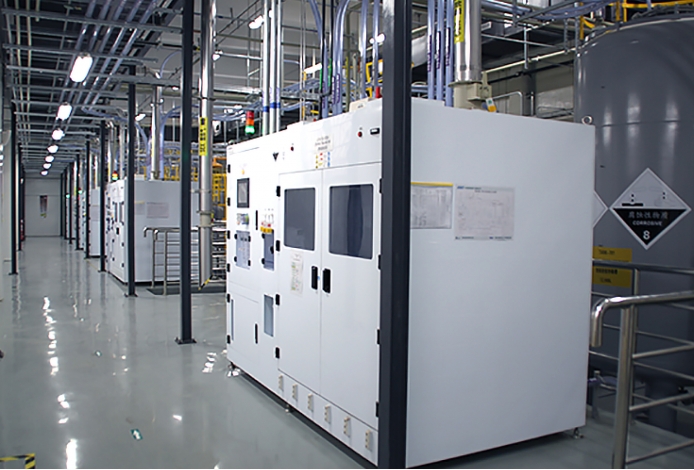
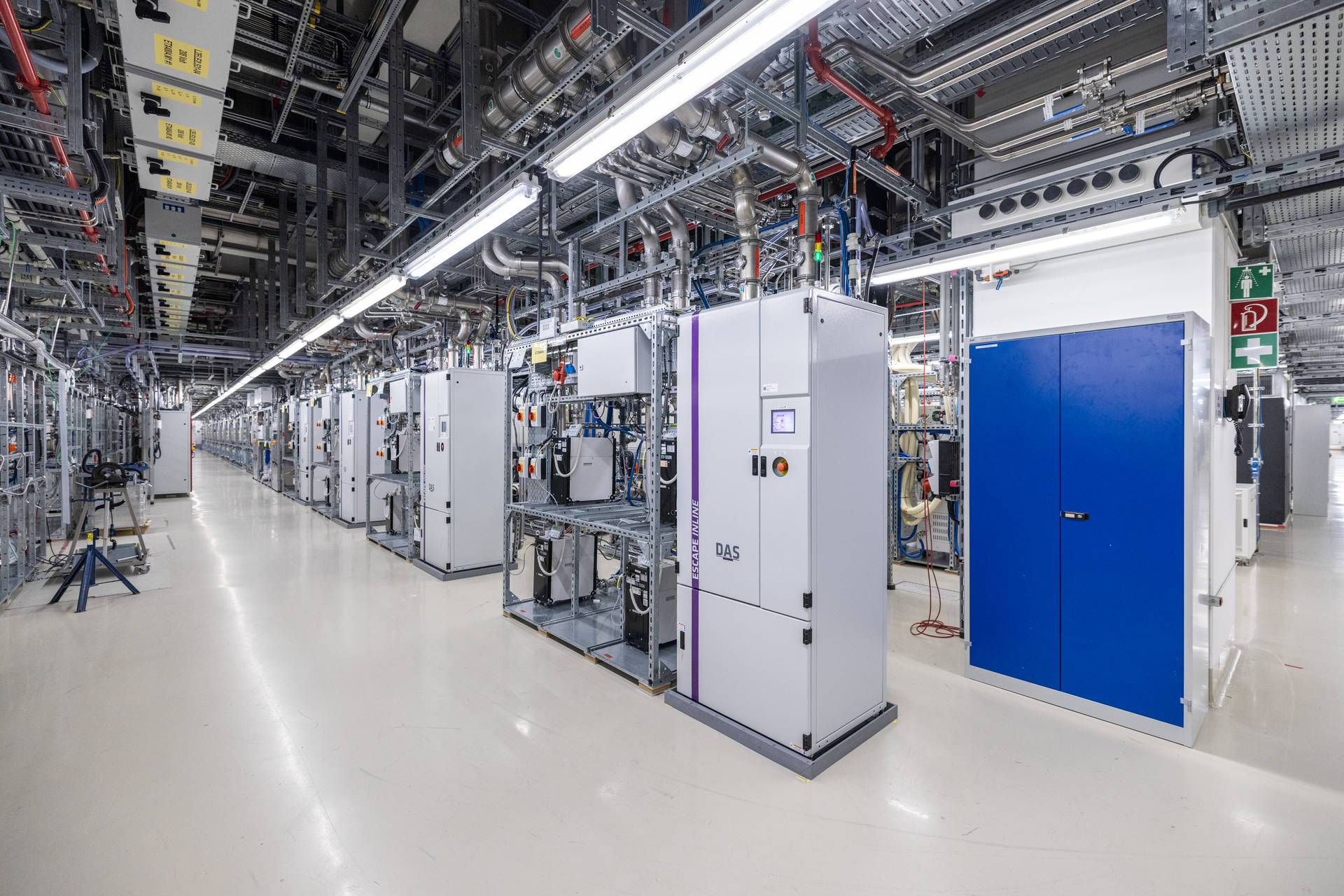
DAS Environmental Expert 長期專注於半導體廢氣處理技術,針對製程中 NOx 生成與排放問題,提供以系統穩定性、處理效率與能源效率為核心的整體解決方案。DAS 的廢氣處理系統在設計階段即將 NOx 控制納入關鍵指標,透過優化燃燒條件、反應溫度與氣體混合機制,降低高溫燃燒過程中 NOx 的生成風險,並確保在高負載製程條件下仍能維持穩定且可預期的排放表現。
相較於僅追求單一排放數值的短期改善,DAS 更重視長時間運轉下的穩定性與一致性。系統可因應製程氣體組成與流量變化,維持穩定反應狀態,避免因燃燒波動造成 NOx 排放上升或設備異常,降低晶圓廠在稽核、查核與量產階段的環保與營運風險。
在 ESG 層面,DAS 的解決方案不僅聚焦於污染物減量,也同步考量能源使用效率與碳排放影響。透過優化系統控制與熱管理設計,降低不必要的燃料與輔助能源消耗,協助客戶在 NOx 減量的同時,改善能源使用強度,進一步回應 Scope 1 與 Scope 2 排放管理需求。此一整合思維有助於晶圓廠在 ESG 評分、供應鏈揭露與永續報告中,具備可量化、可持續追蹤的改善成果。
此外,DAS 具備跨區域導入與在地化支援經驗,能協助客戶在不同國家與新建廠區中,導入一致的 NOx 管理與廢氣處理標準,降低因法規差異與系統不一致所帶來的風險。透過標準化設計與在地服務的結合,確保設備效能、排放表現與 ESG 目標在全球廠區皆能有效落實。
整體而言,DAS 所提供的 NOx 與 ESG 導向廢氣處理解決方案,協助半導體客戶在確保製程穩定與產能需求的同時,有效降低 NOx 排放與能源消耗,回應日益嚴格的環保與永續要求,並為晶圓廠建立兼顧合規、效率與長期永續發展的營運基礎。
In advanced semiconductor manufacturing, the generation and control of nitrogen oxides (NOx) has become a critical challenge for wafer fabs. NOx emissions are closely linked to high-temperature process reactions and exhaust gas treatment systems, and are increasingly scrutinized under tightening environmental regulations, occupational safety requirements, and ESG evaluation frameworks. As sustainability expectations expand across the global semiconductor supply chain, abatement systems are no longer viewed solely as compliance tools, but as essential infrastructure supporting long-term operational resilience and ESG performance.
DAS Environmental Expert specializes in semiconductor exhaust gas abatement technologies and provides integrated solutions designed to address NOx reduction while supporting broader ESG objectives. DAS approaches NOx management from a system-level perspective, integrating stable combustion design, optimized thermal control, and robust operating logic to minimize NOx formation while maintaining reliable abatement performance under demanding process conditions.
Rather than relying on short-term or narrowly defined emission reduction measures, DAS systems are engineered to deliver consistent and predictable NOx performance over long-term operation. By carefully controlling combustion temperature, residence time, and gas mixing behavior, the system reduces the risk of excessive NOx formation associated with unstable or fluctuating process loads. This stability is particularly critical for high-volume manufacturing environments, where process variability, frequent recipe changes, and continuous operation place significant demands on abatement equipment.
From an ESG standpoint, NOx reduction is directly linked to Scope 1 direct emissions and plays an important role in environmental disclosure, regulatory audits, and sustainability reporting. DAS integrates NOx mitigation with energy efficiency considerations, ensuring that emission reduction is not achieved at the expense of excessive fuel or auxiliary energy consumption. Through optimized system control and thermal management, DAS abatement solutions help fabs reduce unnecessary energy use, supporting both emission reduction and improved energy intensity metrics.
This balanced approach enables customers to demonstrate measurable environmental improvements while maintaining cost discipline and operational efficiency. By reducing energy waste and stabilizing abatement performance, fabs can lower total cost of ownership (TCO) while strengthening their ESG credentials—an increasingly important factor in customer audits, investor assessments, and supply-chain sustainability evaluations.
Global fab expansion introduces additional complexity, as semiconductor manufacturers must comply with varying regional environmental regulations while maintaining consistent internal ESG standards. DAS supports customers across multiple regions by offering standardized abatement platforms combined with localized engineering and service support. This approach ensures that NOx management strategies, emission performance, and sustainability targets can be consistently implemented across new and existing fabs worldwide, reducing regulatory risk and operational uncertainty.
Furthermore, DAS emphasizes long-term reliability and maintainability as key components of sustainable manufacturing. Stable abatement performance reduces unplanned downtime, minimizes maintenance-related resource consumption, and supports uninterrupted production. These factors contribute not only to environmental compliance but also to overall fab efficiency and business continuity.
In summary, DAS delivers NOx-focused semiconductor abatement solutions that align environmental performance with ESG and sustainability goals. By combining stable NOx reduction, energy-efficient operation, and globally consistent deployment, DAS enables semiconductor manufacturers to meet increasingly stringent environmental requirements while supporting long-term, sustainable growth in advanced manufacturing.